
Ruger LCR 357 for sale
(17)
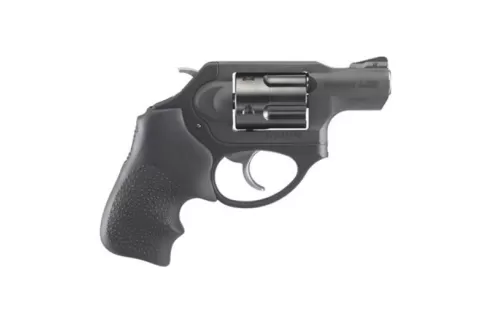
Ruger LCRx .357 Magnum Revolver, Black - 5460
Brand:
Ruger
Action:
Double Action
Barrel Length:
1.87"
Caliber:
.357 Mag
Capacity:
5
Finish Per Color:
Black


(20)
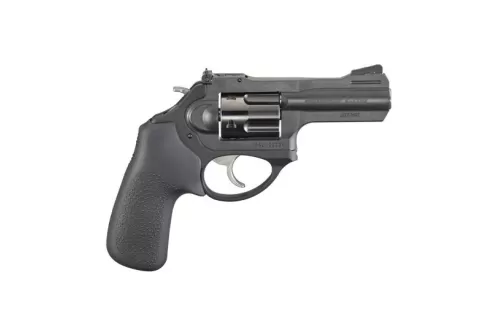
Ruger LCRx .357 Magnum 5-Shot Revolver, Black - 5444
Brand:
Ruger
Action:
Double Action
Barrel Length:
3"
Caliber:
.357 Mag
Capacity:
5
Finish Per Color:
Black
(17)
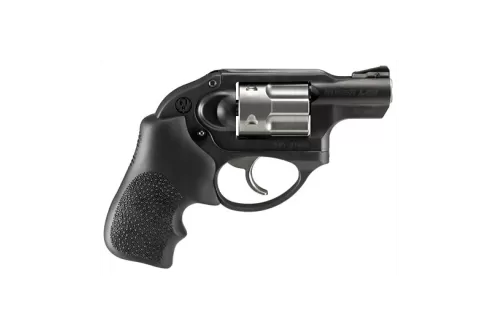
Ruger LCR .357 Mag Revolver 5450
Brand:
Ruger
Action:
Double Action
Barrel Length:
1.87"
Caliber:
.357 Mag
Capacity:
5
Finish Per Color:
Black
(0)
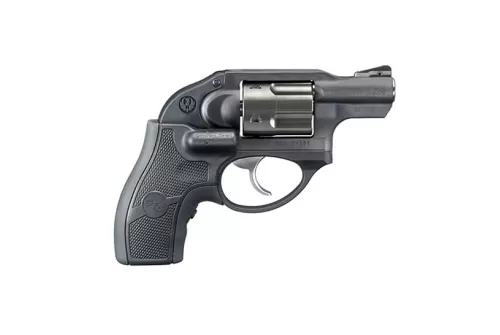
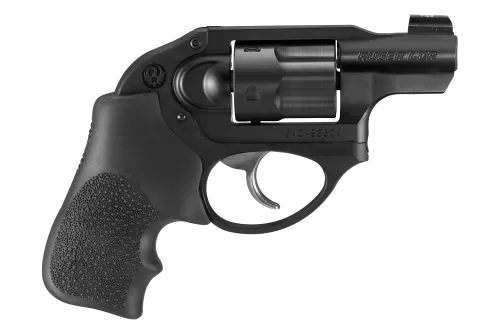
Ruger Pistol LCR .357 Magnum Crimson Trace Laser Grips 5451
Brand:
Ruger
Action:
Double Action
Barrel Length:
1.88"
Caliber:
.357 Mag
Capacity:
5
(20)
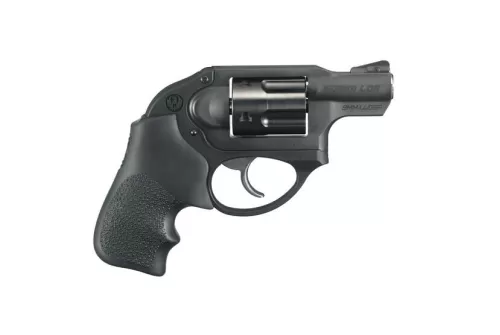
Ruger LCR Double-Action Revolver - .357 Remington Magnum
Brand:
Ruger
Action:
Double Action
Barrel Length:
1.87"
Caliber:
.357 Mag
(0)
RUGER LCR 9MM 1.875 BLK 5RD
Brand:
Ruger
Action:
Double Action
Barrel Length:
1.88"
Caliber:
.357 Mag
Capacity:
5
Finish Per Color:
Black
Marketplace Insights
★ 4.7/5
based on 74 customer reviews across 6 products from 11 retailers
Highly-rated lightweight revolver praised for smooth trigger, accuracy, and concealability, with rare reliability concerns from isolated users.
What customers like
Lightweight and Concealable58%
Very light and easy to carry.
Smooth Trigger Action45%
by far the smoothest factory DA I've ever felt.
Accurate for Snub Nose36%
Very accurate for a short barrel revolver.
Manageable Recoil27%
Firing .357 rounds are a hand full, but that is to be expected
Reliable Revolver19%
never once had any issues.
Common concerns
Firing/Ejection Malfunctions5%
bullets jammed and wouldnt eject took home cleaned well
Plastic Lower Construction3%
I am not a big fan of the plastic lower at all.
Frequently Asked Questions
Ruger LCR 357 for sale
Is the Ruger LCR 357 a good gun?
"Good" depends on your needs. The LCR 357 offers .357 Magnum power in a lightweight concealed-carry package, with solid accuracy and competitive pricing around $653. Recoil is significant given the light frame, making it better suited for experienced revolver shooters than beginners.
How much is the Ruger LCR 357?
Ruger LCR 357 revolvers currently average around $618.83 new, with Ruger's official MSRP at $879.00. Retail listings typically appear around $659.99 to $719.99. Across our 22 retailers, six variants are available, with price differences depending on finish, grip material, and seller.
What are some common problems with the Ruger LCR?
Early production LCRs occasionally had cylinder locking issues where the cylinder wouldn't secure properly and spun freely. Some users report frame cutting from recoil with heavy loads. The cylinder-opening problem is considered a known issue with no complete repair solution, even after Ruger's spring change. Ruger's warranty service addresses remaining concerns.
Which Ruger LCR is best?
"Best" depends on your needs. The .357 Magnum LCR offers maximum power but stout recoil. The 9mm version shoots more comfortably using moon clips. The .38 Special balances manageability and effectiveness for most users. Handle each variant before deciding, as grip feel and recoil tolerance vary person to person.
How long will a Ruger LCR last?
Ruger LCR revolvers last decades with proper maintenance under moderate use and standard loads. Durability is conditional — heavy +P or magnum use significantly shortens lifespan, as the LCR was not designed for high-volume magnum shooting. Light to moderate use with standard ammunition keeps these revolvers running reliably long-term.
Can you conceal carry a 3 inch revolver?
Yes, a 3-inch revolver can be concealed carried. Models like the Ruger LCR or Smith & Wesson J-Frame are commonly used for this purpose. The barrel length balances concealability with accuracy. A quality holster suited to your carry position makes the biggest practical difference.
Does a 357 kick more than a 9mm?
Yes, .357 Magnum generates significantly more recoil than 9mm. A .357 typically produces around 10 foot-pounds of recoil energy versus roughly 4.5 for 9mm. The higher velocity and pressure translate to sharper felt recoil, especially in lightweight revolvers. Grip strength and experience affect how much recoil a shooter notices.
Do rubber grips reduce recoil?
Rubber grips reduce felt recoil slightly compared to wood or hard plastic by absorbing some impact energy. However, the effect is modest. Grip design, hand positioning, and grip strength influence recoil management more significantly than material alone.