
Winchester .357 Magnum 158 Grain Ammo
(0)
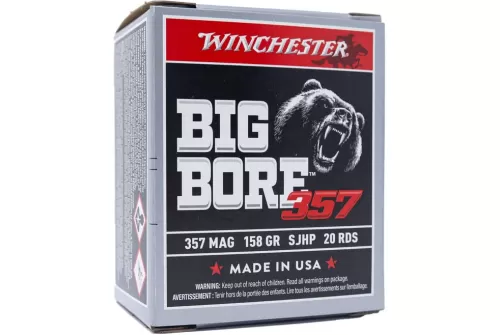
Winchester Big Bore Brass .357 Mag 158-Grain 20-Rounds JHP
Brand:
Winchester
Bullet Type:
Jacketed Hollow Point
Caliber:
.357 Mag
Capacity:
20
Finish Per Color:
Brass
Grains:
158 grain
 From:
$26.99
From:
$26.99
 16
16
(1)
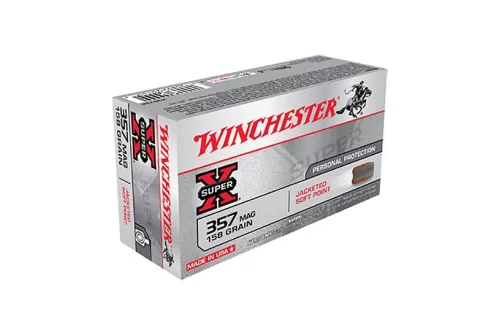
Winchester 357 Magnum 158gr JSP Ammunition 50rds - X3575P
Brand:
Winchester
Bullet Type:
JACKETED SOFT POINT (JSP)
Caliber:
.357 Mag
Grains:
158 grain
Rounds:
50
From:
$29.99
15
(0)
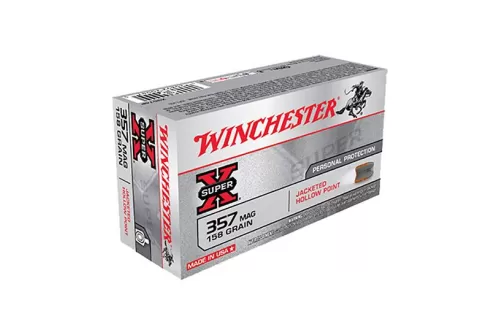
Winchester 357 Magnum 158gr JHP Super-X Ammunition 50rds - X3574P
Brand:
Winchester
Bullet Type:
Hollow Point
Caliber:
.357 Mag
Grains:
158 grain
Rounds:
50
Frequently Asked Questions
Winchester .357 Magnum 158 Grain Ammo
Is Winchester brass any good?
Winchester brass is affordable, typically around $35 per hundred, but quality is genuinely mixed. Users report sorting by weight helps consistency, but significant quality control issues have been noted since at least 2021, including visible defects in the neck and shoulder area. It falls short of premium brands like Lapua or Peterson.
What is the highest quality rifle brass?
Lapua and Peterson rank highly among reloaders for consistency and longevity, but Alpha Brass leads all premium options — used by 67% of professional shooters, outpacing Lapua at 24% and Peterson at 7%. Premium brass costs more upfront but delivers superior case life and tighter primer pockets across multiple firings.
How long does rifle brass last?
Rifle brass typically lasts 5–10 reloads under moderate loads. Premium brands like Lapua can exceed 50 reloads with proper annealing. High-pressure loads shorten lifespan significantly. Retire cases showing cracks, neck splits, or loose primer pockets.
Do you have to wash brass before reloading?
Cleaning brass is not strictly necessary. Many reloaders have gone decades without tumbling cases. That said, clean brass keeps your hands and equipment cleaner and makes it easier to spot cracks or defects. If you do wet tumble, ensure cases are fully dry before reloading.
How often should I anneal my rifle brass?
Anneal every 3–5 firings for moderate loads, or every reload if you're pushing high pressures or need consistent neck tension. Watch for cracked necks or stiff bolt lift as signs of work-hardening. New brass comes pre-annealed and typically doesn't need immediate treatment.
Is it cheaper to reload your own brass?
Reloading saves money per round once you recoup equipment costs, typically $400–$745 upfront. Rifle rounds save $0.15–$0.32 each; 9mm savings are smaller. Break-even requires thousands of rounds. If you reload purely for economy and don't enjoy the process, factory ammo may cost less when factoring in your time.