
Springfield Trapdoor for sale
(0)
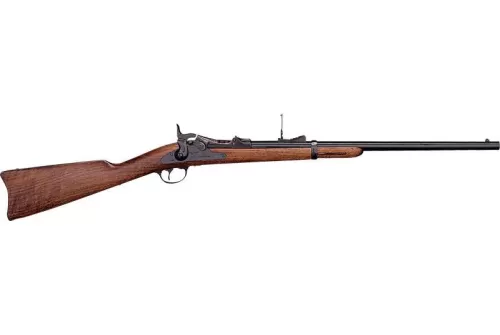
Uberti Springfield Trapdoor Carbine 45-70 Gov, 22" Barrel, Limited Availability
Brand:
Uberti
Action:
Single Shot
Barrel Length:
22"
Caliber:
.45-70 Government
Capacity:
1
Finish Per Color:
Blued


(0)
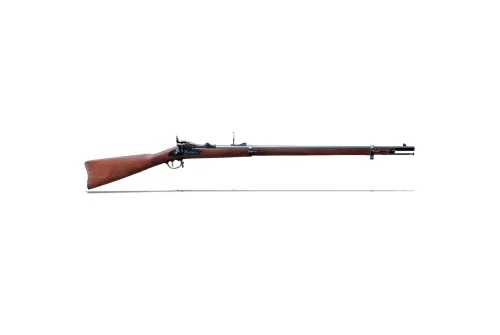
Uberti Springfield Trapdoor .45-70 22? Bbl Blue Steel C/H Breechblock & Buttplate Rifle 71007
Brand:
Uberti
Action:
Single Shot
Barrel Length:
32.5"
Caliber:
.45-70 Government
Capacity:
1
Finish Per Color:
Case Hardened
(0)
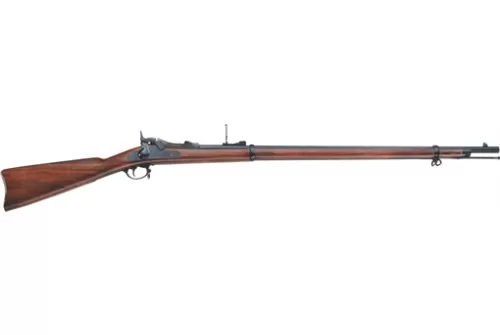
PEDERSOLI SPRINGFIELD TRAPDOOR
Brand:
Pedersoli
Barrel Length:
32"
Caliber:
.45-70 Government
Capacity:
1
Finish Per Color:
Wood
(0)
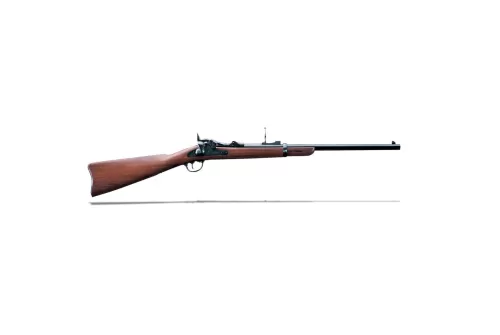
Uberti SPRINGFIELD TRAPDOOR
Brand:
Uberti
Action:
Single Shot
Barrel Length:
22"
Caliber:
.45-70 Government
Capacity:
1
Finish Per Color:
Case Hardened
Frequently Asked Questions
Springfield Trapdoor for sale
How much does a Springfield Trapdoor cost?
Springfield Trapdoor rifles average $722–$785 in used condition, with new or excellent specimens averaging around $1,933 and reaching up to $2,500. Original military specimens command higher prices. Condition, markings, and completeness significantly affect value, while parts guns sell for less.
What caliber is a 1873 trapdoor?
Springfield's 1873 Trapdoor fires the .45-70 Government cartridge. That designation means .45-inch bullet diameter and 70 grains of black powder. Earlier Trapdoor models used .50-70 cartridges, but the .45-70 became the standard U.S. military round with this rifle.
What is a 45-70 trapdoor rifle?
A 45-70 Trapdoor is a single-shot breech-loading rifle developed by Springfield Armory in 1873. It fires the .45-70 Government cartridge and uses a hinged "trapdoor" mechanism to open the breech for loading. Adopted by the U.S. Army, it served for roughly 20 years and remains popular with collectors and hunters.
What is the difference between Springfield Trapdoor 1873 and 1884?
The main difference is the Model 1884 introduced a Buffington rear sight and adopted a heavier 500-grain bullet compared to the 1873's 405-grain bullet. The 1884 also featured minor improvements to the breechblock and gas escape reliefs for improved reliability and safety.
What's better, 30/30 or 45-70?
The .30-30 shoots flatter with less recoil, making it practical for deer out to 200 yards. The .45-70 hits harder with heavier bullets, better suited for elk or bear at closer ranges. Choose based on your target species and typical shooting distance.
What is the effective range of a 45-70 for deer?
For deer, the .45-70 is most effective inside 150 yards. With proper sights and practice, 200 yards is achievable, but 100–150 yards is a safer limit with open sights. Beyond 200 yards, bullet drop becomes a serious challenge.