
Ruger Vaquero Birds Head for sale
(0)
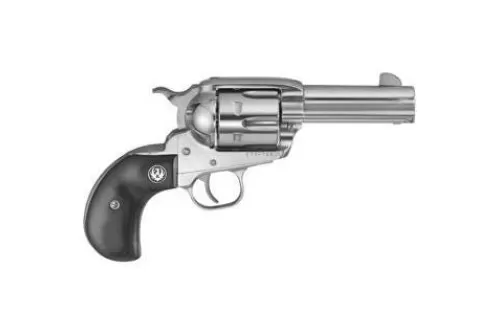
Ruger Vaquero .45Acp 3.75" FS S/S Blk Lam Bird's Head (Talo) RUG 5152
Brand:
Ruger
Action:
Single Action
Barrel Length:
3.75"
Caliber:
.45 ACP
Capacity:
6
Finish Per Color:
Stainless


(0)
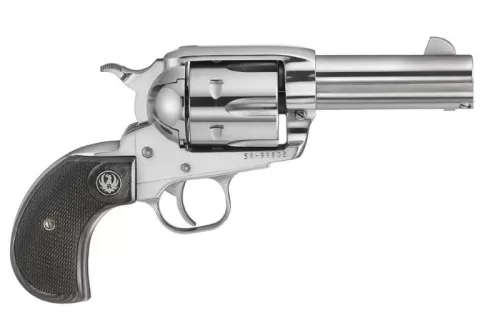
Ruger Vaquero Birds Head Stainless .44 Mag 3-inch 6Rd
Brand:
Ruger
Action:
Single Action
Barrel Length:
3"
Caliber:
.44 Magnum
Capacity:
6
Finish Per Color:
Stainless
(1)
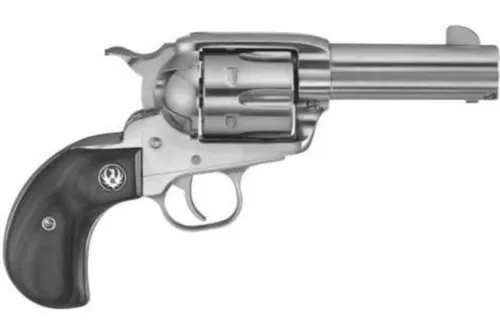
Ruger Vaquero Birds Head Limited Edition, .45 Colt, 3.75", Black Laminate Grips, SS, 6rd
Brand:
Ruger
Action:
Single Action
Barrel Length:
3.75"
Caliber:
.45 Colt
Capacity:
6
Finish Per Color:
Stainless
(0)
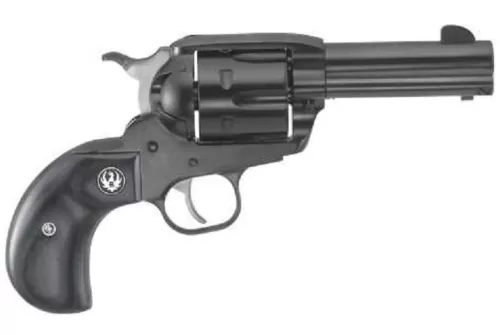
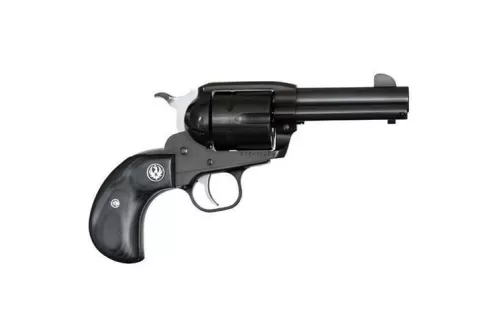
Ruger Vaquero Birds Head Black .45 ACP 3.75" Barrel 6-Rounds
Brand:
Ruger
Action:
Single Action
Barrel Length:
3.75"
Caliber:
.45 ACP
Capacity:
6
Finish Per Color:
Black
(1)
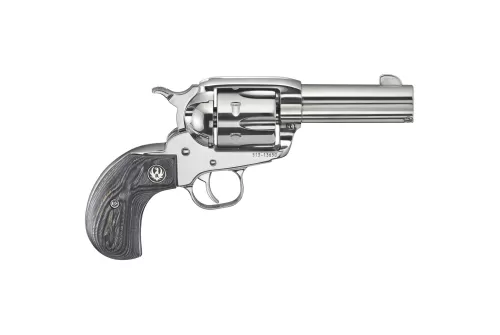
Ruger Vaquero Birds Head 45lc Bl/lam
Brand:
Ruger
Action:
Single Action
Barrel Length:
3.75"
Caliber:
.45 Colt
Capacity:
6
Finish Per Color:
Black
(5)
Ruger Vaquero .357 Mag, 3.75" Barrel, Laminate Birds Head Grip, Stainless, 6rd
Brand:
Ruger
Action:
Single Action
Barrel Length:
3.75"
Caliber:
.357 Mag
Capacity:
6
Finish Per Color:
Stainless
Marketplace Insights
★ 4.9/5
based on 7 customer reviews across 6 products from 4 retailers
Excellent Ruger Vaquero revolver praised for reliability, smooth action, and ergonomic birdshead grip, with one minor issue regarding hammer spring tension.
What customers like
Reliability & Quality57%
No flaws on this one, everything fits and works like it's supposed to.
Ergonomic Design57%
Action smooth as butter and was much easier to hang onto than I anticipated.
Fun to Shoot43%
Fun, fun, fun!
Great Service29%
As usual, great prices, great service.
Common concerns
Hammer Spring Stiffness14%
I could barely pull the hammer back.
Frequently Asked Questions
Ruger Vaquero Birds Head for sale
Can Ruger Vaquero handle hot loads?
New Vaqueros in .45 Colt should stay at standard Colt SAA pressure levels, around 23,000 PSI, though Ruger confirms they will handle +P .45 loads. Avoid loads intended for the Blackhawk or Thompson Contender. Note that the Vaquero in .44 Magnum is a different case and handles hot loads well.
Can you dry-fire a Ruger Vaquero?
Yes, Ruger's manual explicitly states the New Vaquero can be dry-fired safely without damaging the firing pin or internal components. The design includes a transfer bar and firing pin stop that protect against wear. Snap caps aren't necessary for occasional dry fire practice.
What is the difference between the old model Vaquero and the new model Vaquero?
Original Vaqueros used larger Blackhawk-sized frames with XR3-RED grip frames. New Vaqueros, introduced in 2005, feature smaller Colt Single Action Army-sized frames with redesigned grips and taller hammer spurs. Old models accommodate larger hands and hot magnum loads; new models are more compact and better suited for cowboy action shooting.
What year did Ruger make the new vaquero?
Ruger introduced the New Vaquero in 2005. It featured a smaller frame closer to Colt Single Action Army proportions than the original 1993 Vaquero, making it popular for cowboy action shooting.
What is the typical price of a Vaquero revolver?
Ruger Vaquero revolvers typically cost around $864, with most models ranging from $760 to around $1,100 depending on caliber and barrel length. The Stainless model carries an MSRP of $1,099. Both .357 Magnum and .45 Colt variants are widely available from multiple retailers.
How do I find out when my Ruger was made?
Look up your serial number on Ruger's website at ruger.com—enter it in their search tool to get the ship date, model, caliber, and production details. For more precise manufacturing information, contact Ruger's Service Department at 336-949-5200. Note that ship date may differ from actual manufacture date, especially for older guns.
Is it better to have a longer or shorter barrel?
Barrel length depends on intended use. Shorter barrels are lighter and faster to handle; longer barrels provide higher velocity and a better sight radius for accuracy. For cowboy action shooting, 4–5.5 inches works well. For hunting, longer barrels maximize cartridge performance.