
Kimber Custom LW 45 for sale
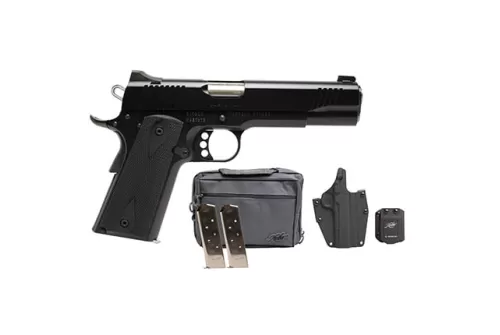
(0)
Kimber Custom LW 45 Auto (ACP) 5in Black Pistol - 7+1 Rounds
Brand:
Kimber
Action:
Semi-Auto
Barrel Length:
5"
Caliber:
.45 ACP
Capacity:
7
Finish Per Color:
Black


(0)
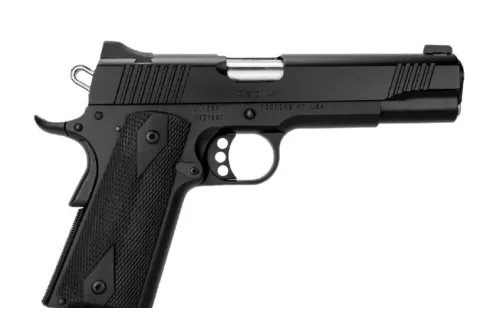
KIMBER CUSTOM LW LIBERTY 1911 5" 45ACP BLACK 1-7RD MAG
Brand:
Kimber
Action:
Semi-Auto
Barrel Length:
5"
Caliber:
.45 ACP
Capacity:
7
Finish Per Color:
Black
(0)
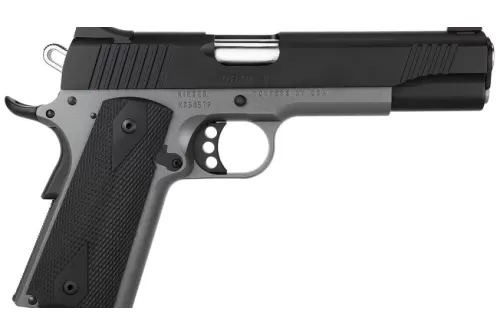
Kimber Custom LW Shadow Ghost .45 ACP 5" Barrel 8-Rounds Rubber Grips
Brand:
Kimber
Action:
Semi-Auto
Barrel Length:
5"
Caliber:
.45 ACP
Capacity:
8
Finish Per Color:
Grey

(0)
KIMBER 1911 Custom LW Shadow Ghost .45 ACP 5in 8rd Pistol Bundle w/ Three Mags, Holster and Range Bag (3700891)
Brand:
Kimber
Action:
Semi-Auto
Barrel Length:
5"
Caliber:
.45 ACP
Capacity:
8
Finish Per Color:
Grey
(0)
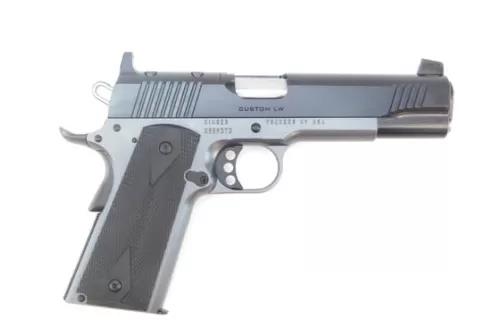
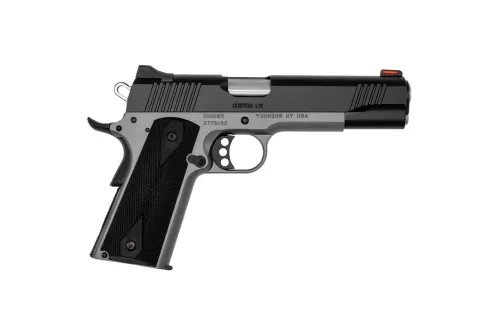
KIMBER CUSTOM LW
Brand:
Kimber
Action:
Semi-Auto
Barrel Length:
5"
Caliber:
.45 ACP
Capacity:
7
Finish Per Color:
Black
(20)
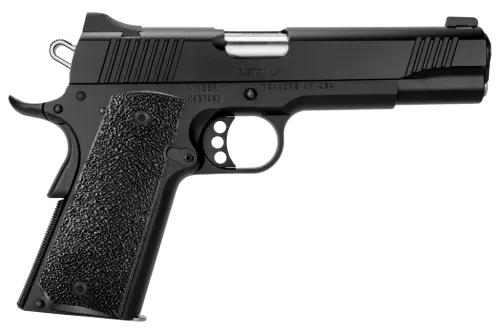
Kimber Custom LW (Shadow Ghost) 1911
Brand:
Kimber
Action:
Semi-Auto
Barrel Length:
5"
Caliber:
.45 ACP
Capacity:
8
Finish Per Color:
Black
(0)
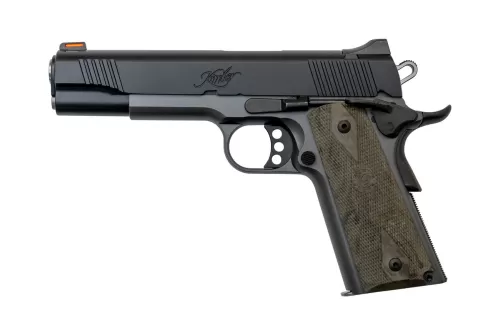
Kimber Liberty Custom LW 1911 Semi-Auto Pistol - .45 Auto
Brand:
Kimber
Action:
Semi-Auto
Barrel Length:
5.01"
Caliber:
.45 ACP
(3)
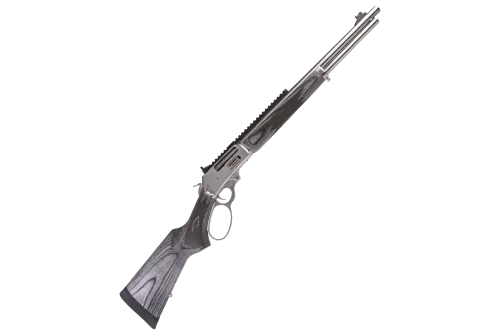
Kimber Custom LW Night Patrol .45 ACP, 5" Barrel, Brown Grips, Orange FO Front, Black/Gray, 8rd
Brand:
Kimber
Action:
Semi-Auto
Barrel Length:
5"
Caliber:
.45 ACP
Capacity:
8
Finish Per Color:
Grey
(0)
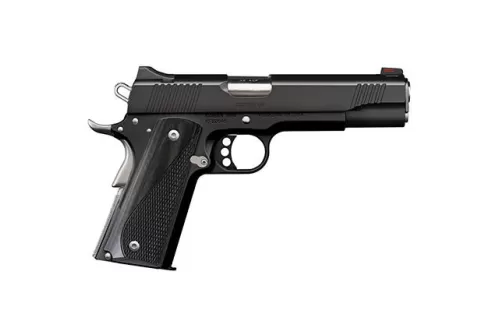
Kimber Custom LW Black 1911 Semi-Auto Pistol
Brand:
Kimber
Action:
Semi-Auto
Barrel Length:
5"
Caliber:
.45 ACP
Finish Per Color:
Black
(3)
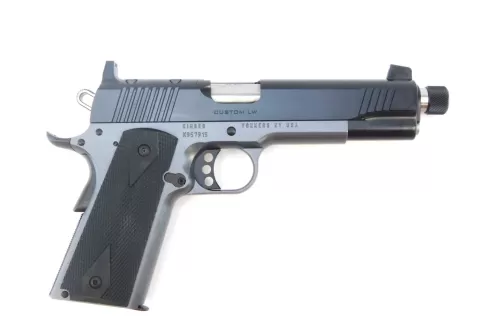
Kimber Custom LW Black .45 ACP 5" Barrel 8-Rounds White Dot / Red Fiber Optic
Brand:
Kimber
Action:
Semi-Auto
Barrel Length:
5"
Caliber:
.45 ACP
Capacity:
8
Finish Per Color:
Black
(0)
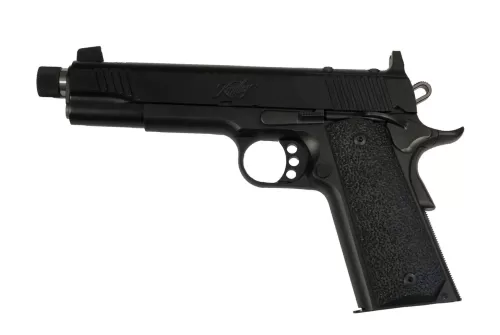
KIMBER CUSTOM LW
Brand:
Kimber
Action:
Semi-Auto
Barrel Length:
5.5"
Caliber:
.45 ACP
Capacity:
7
Finish Per Color:
Black
(0)
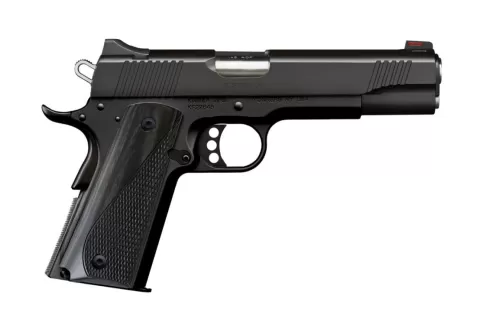
KIMBER CUSTOM LW
Brand:
Kimber
Action:
Semi-Auto
Barrel Length:
5"
Caliber:
.45 ACP
Capacity:
8
Finish Per Color:
Black
(3)
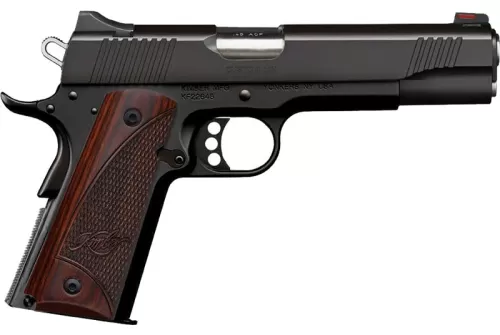
Kimber Custom Lw
Brand:
Kimber
Action:
Semi-Auto
Barrel Length:
5"
Caliber:
.45 ACP
Capacity:
8
Rounds:
8
(0)
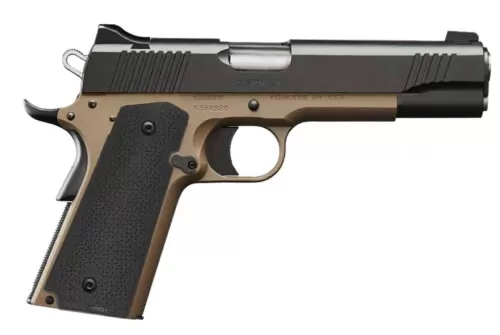
KIMBER CUSTOM LW
Brand:
Kimber
Action:
Semi-Auto
Barrel Length:
5"
Caliber:
.45 ACP
Capacity:
7
(0)
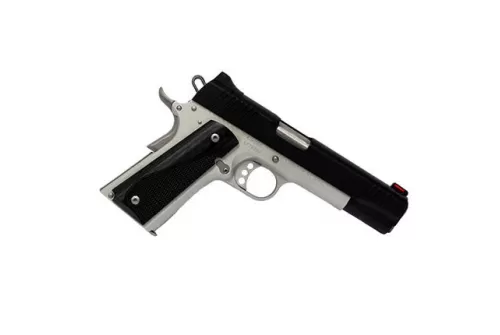
Kimber 3000460 Custom LW 45ACP 1911 Handgun
Brand:
Kimber
Action:
Semi-Auto
Barrel Length:
5"
Caliber:
.45 ACP
Capacity:
6
(0)
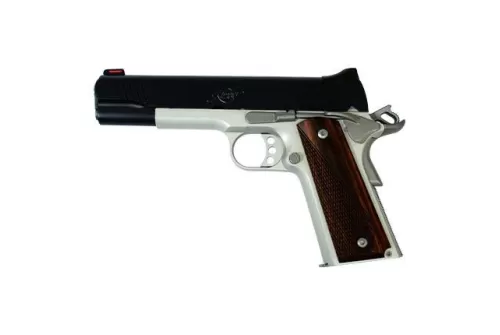
Kimber Custom LW 9Mm Blk 9Rd 3700612
Brand:
Kimber
Action:
Semi-Auto
Barrel Length:
5"
Caliber:
.45 ACP
Capacity:
8
Finish Per Color:
Black
(0)
Kimber Custom LW .45 ACP 5" Barrel 8-Rounds with Cocobolo Wood Grips
Brand:
Kimber
Action:
Semi-Auto
Barrel Length:
5"
Caliber:
.45 ACP
Capacity:
8
Finish Per Color:
Two Tone
(0)
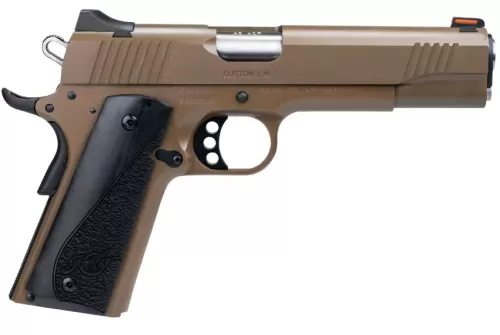
Kimber Custom Lightweight Semi-Auto Pistol 45ACP 5" Barrel 3700613
Brand:
Kimber
Action:
Semi-Auto
Barrel Length:
5"
Caliber:
.45 ACP
Capacity:
8
Finish Per Color:
Flat Dark Earth
(0)
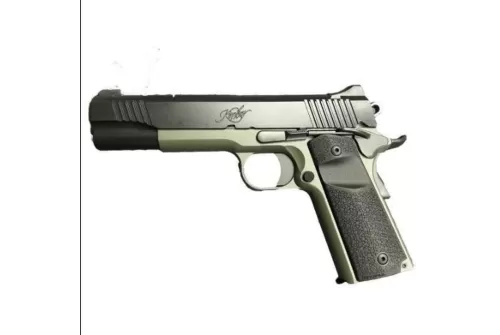
Kimber 3000464 Custom LW Ranger Green MP 45ACP Pistol
Brand:
Kimber
Action:
Semi-Auto
Barrel Length:
5"
Caliber:
.45 ACP
Capacity:
7
Finish Per Color:
OD Green
(0)
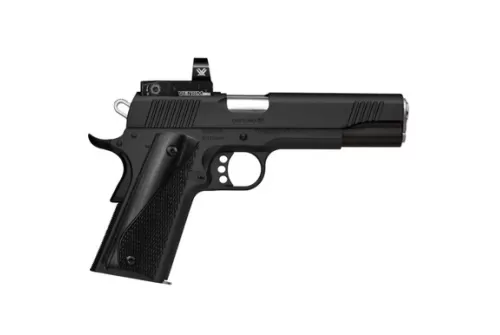
Kimber 1911 Custom LW .45 ACP 5" Barrel 8-Rounds with Vortex Venom
Brand:
Kimber
Action:
Semi-Auto
Barrel Length:
5"
Caliber:
.45 ACP
Capacity:
8
Finish Per Color:
Black
Marketplace Insights
★ 4.3/5
based on 6 customer reviews across 20 products from 19 retailers
Mostly positive experiences with Kimber pistols and excellent customer service, though some newer models show quality control concerns including loose grips and feed issues.
What customers like
Reliability & Quality83%
Kimber makes a very reliable firearm and this is no exception!
Fast Shipping & Service67%
As always Guns.com was awesome in handling the deal.
Great Value & Price50%
I have it at a great price and fast delivery.
Common concerns
Quality Control Issues33%
The grips keep coming loose every clip though and the front sight pin keeps popping out.
Newer Models Unreliable17%
newer kimbers arent what they used to be I've had a couple fail to feeds
Frequently Asked Questions
Kimber Custom LW 45 for sale
What is a Kimber Custom LW worth?
Kimber Custom LW pistols typically sell around $644–$680 new, with secondary market prices ranging from approximately $400–$700. Prices vary by caliber (.45 ACP or 9mm), frame size, and condition. Six variants are currently available across 23 retailers.
What does custom lw mean on a Kimber 1911?
LW stands for lightweight. Kimber uses an aluminum alloy frame instead of steel to reduce overall weight, making the pistol easier to carry. The Custom LW is available in compact and full-size configurations, typically chambered in .45 ACP or 9mm, and is commonly used for concealed carry and personal defense.
Is the Kimber lw any good?
Kimber LW pistols are generally well-regarded for concealed carry and range use, with most owners reporting reliable, accurate performance. They sell for around $698 across multiple retailers. Quality can vary by individual unit, but they're considered a solid choice in their price range.
What hits harder, 357 or 45?
.357 Magnum hits harder, generating roughly 500 ft-lbs of muzzle energy versus .45 ACP's typical 350 ft-lbs. The .357 produces sharper recoil and more blast, while .45 ACP delivers a slower, heavier bullet with a gentler push that many shooters find easier to control.
Can a .45 stop a grizzly bear?
.45 ACP sits at the lower end of recommended bear defense calibers. Grizzlies require deep penetration through thick hide, heavy bone, and muscle. Rounds like .44 Magnum and 10mm Auto are more commonly recommended for grizzly defense, offering better penetration for this purpose.
Which 1911 did Chris Kyle use?
Chris Kyle carried a Springfield Armory TRP Operator in .45 ACP. He purchased it in 2004 and detailed it in his autobiography. Springfield later released a limited-edition Chris Kyle Legend Series TRP pistol honoring his service.
Is .45 more expensive than 9mm?
Yes, .45 ACP typically costs more than 9mm. Standard .45 rounds run $0.25–$0.45 per round, while 9mm averages roughly half that. The larger cartridge requires more material and propellant, driving up cost. .45 pistols also tend to cost slightly more than comparable 9mm models.