
Tula .223 Ammo
(0)
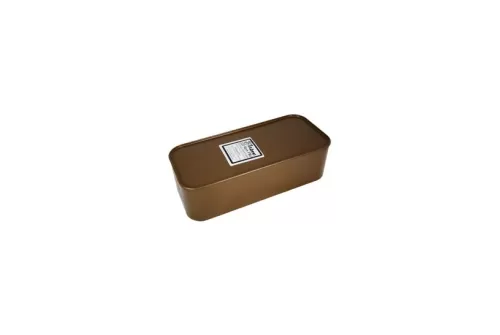
Tula 223 Remington 55gr FMJ Steel Case Ammunition 500rds Sealed Tin - TA223551
Brand:
Tula
Bullet Type:
Full Metal Jacket
Caliber:
.223 Rem
Grains:
55 grain
Rounds:
500
(20)
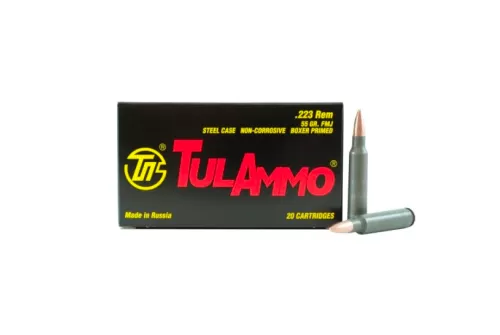
Tula 223 Ammo 55 Grain FMJ Steel Case, 20 rds/box - TA223550
Brand:
Tula
Bullet Type:
FULL METAL JACKET (FMJ)
Caliber:
.223 Rem
Capacity:
20
Finish Per Color:
Steel
Grains:
55 grain


Marketplace Insights
★ 4.0/5
based on 20 customer reviews across 2 products from 5 retailers
Budget-friendly steel case ammo with strong performance in compatible rifles, but reliability issues reported in certain AR platforms.
What customers like
Reliable functionality70%
Not a single malfunction out of 200rds ordered. Cycles reliably
Excellent value for price65%
It is really difficult to beat the price on this
Good for range shooting40%
Great for cheap range ammo. I wouldn't want to use it for home defense
Accurate performance25%
It is more accurate than some others that are more expensive
Common concerns
Steel casing expansion jams35%
steel casing expands due to heat and it will jam your gun
Gun compatibility issues25%
My ar did not like them whatsoever doesn't mean others won't
Dirty/residue concerns20%
came out the box super dirty and made my hands stained yellow
Frequently Asked Questions
Tula .223 Ammo
Is TulAmmo available in the USA?
Yes, TulAmmo is available in the USA through multiple retailers. It comes in numerous calibers and is popular for budget-friendly, high-volume shooting due to its steel-cased, affordable design. Pricing typically starts around $9.99 per box depending on caliber and retailer.
Is TulAmmo still in business?
Tula Cartridge Works, the Russian manufacturer behind TulAmmo, continues operating. U.S. imports have been restricted since 2021 due to sanctions, but ammo appearing under the TulAmmo brand may still reach American shelves through relabeling and redistribution channels. TulAmmo USA remains active, so the supply situation is more nuanced than a simple decline.
Is 55 grain or 62 grain 223 better?
Choice depends on your rifle's barrel twist rate. A 1:12 twist favors 55-grain for speed and fragmentation; 1:7 or 1:8 twist suits 62-grain for stability and penetration. Match your ammo to your barrel for best accuracy. Neither is universally better—compatibility matters most.
Is Tula ammo corrosive?
Tula ammunition is marketed as non-corrosive. However, some shooters report rust in chambers and barrels after use. Clean your firearm promptly after shooting Tula, paying attention to the chamber and gas system, to avoid potential corrosion issues.
Is TulAmmo ammo any good?
TulAmmo works reliably for target shooting and plinking at budget prices. Steel cases are harder on barrels than brass, so clean your gun promptly after shooting. Many shooters report flawless function, though some note slightly dirtier residue. It's a solid compromise for high-volume, cost-conscious shooting.
What is the average price per round of 223 ammo?
.223 ammo typically costs between $0.25 and $0.50 per round. Steel-cased bulk ammunition often runs in the $0.30 to $0.35 range, with the best deals dropping into the mid-$0.20s. Brass-cased bulk options run around $0.48 per round, while match-grade loads cost more. Price varies by quantity and bullet type.
What is the downside to steel cased ammo?
Steel cases don't seal as effectively as brass, allowing more fouling to accumulate and requiring more frequent cleaning. Steel is harder on extractors than brass, though the steel used in casings is softer than firearm components, so barrel wear concerns are overstated. Cases also lack natural corrosion resistance, though most are polymer-coated.
What is the shelf life of 223 ammo?
Properly stored .223 ammo remains functional for decades. Manufacturers conservatively recommend use within ten years, but real-world performance often exceeds this. Storage conditions matter most—keep rounds cool, dry, and away from moisture and temperature swings. Poor storage can degrade ammo within just a few years.