
Remington .45-70 Ammo 405 Grain
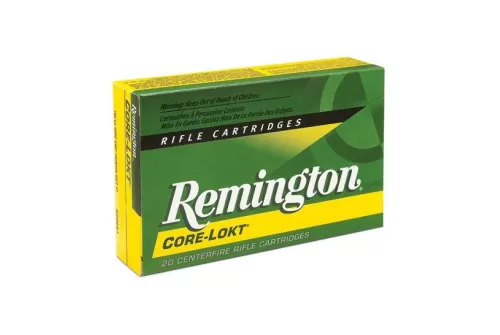
(2)
Remington Core-Lokt .45-70 Government 405 gr SP 20 Rounds Ammo - R4570G1
Brand:
Remington
Bullet Type:
Soft Point
Caliber:
.45-70 Government
Grains:
405 grain
Rounds:
20
 From:
$47.19
From:
$47.19
 18
18
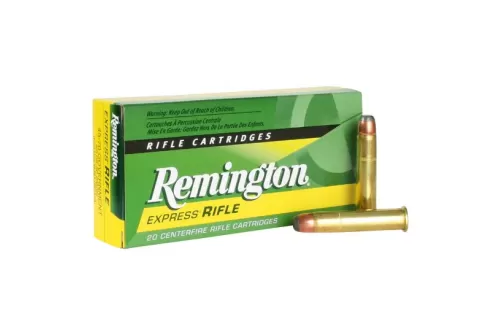
(1)
Remington Core-Lokt 405 gr Soft Point .45-70 Ammo, 20/box - R4570G
Brand:
Remington
Bullet Type:
Soft Point
Caliber:
.45-70 Government
Capacity:
20
Finish Per Color:
Brass
Grains:
405 grain
From:
$49.99
15
Frequently Asked Questions
Remington .45-70 Ammo 405 Grain
What is the ballistics of a 405 grain 45-70?
A 405 grain 45-70 typically achieves muzzle velocities of 1,150–1,330 fps, generating around 1,200–1,600 ft-lbs of energy. At 100 yards it drops roughly 6–10 inches when zeroed at 50 yards. Exact figures depend on powder charge, barrel length, and bullet design.
What are cowboy loads?
Cowboy loads are reduced-velocity ammunition used in cowboy action shooting competitions. They fire soft lead flat-nose bullets at 700–850 fps, compared to 1,000+ fps in standard loads. Lower velocity reduces recoil, allows faster follow-up shots, decreases barrel wear, and leaves cleaner holes for scoring.
Does 45-70 kick hard?
Yes, 45-70 produces significant recoil. Actual kick depends on rifle weight, ammunition load, and shooter sensitivity. Factory loads in heavier lever-actions like the Marlin 1895 feel moderate. Hotter handloads or lighter rifles generate noticeably more recoil. Cowboy loads offer softer recoil for reduced-velocity shooting.
Is 45-70 ammo common?
Yes, .45-70 ammunition is readily available today. It's sold by at least 16 retailers, with prices typically around $53 per box. The cartridge is currently thriving, remaining popular for hunting and target shooting — a remarkable turnaround from the early 1970s, when it nearly disappeared from the market.
What is the shelf life of 45-70 ammo?
Properly stored 45-70 ammunition remains functional for decades. Manufacturers conservatively recommend use within ten years, but rounds kept in cool, dry conditions away from moisture and temperature swings often perform reliably for 25 or more years. Poor storage accelerates degradation significantly.