
Remington .45-70 Ammo 300 Grain
(0)
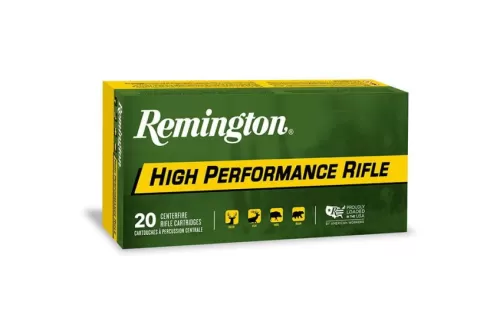
Remington High Performance Brass .45-70 300 Grain 20-Rounds SJHP
Brand:
Remington
Bullet Type:
Semi-Jacketed Hollow Point (SJHP)
Caliber:
.45-70 Government
Capacity:
20
Finish Per Color:
Brass
Grains:
300 grain
 From:
$47.19
From:
$47.19
 10
10
(0)
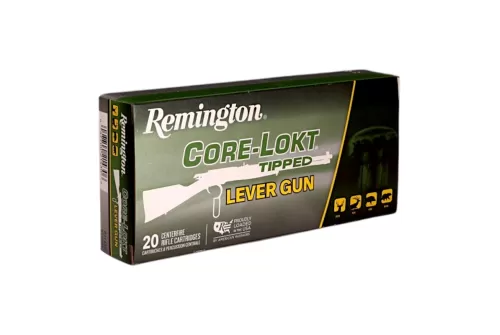
Remington Core-Lokt Tipped Lever Gun Ammunition 45-70 Govt 300gr PT 2100 fps 20/ct
Brand:
Remington
Bullet Type:
Tipped
Caliber:
.45-70 Government
Capacity:
20
Grains:
300 grain
Rounds:
20
(0)
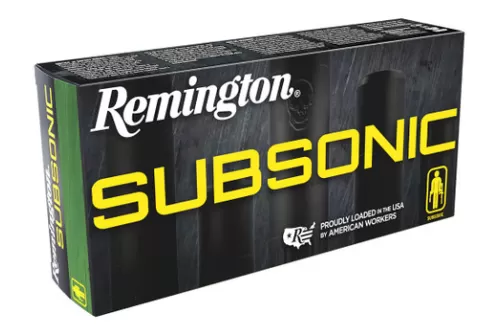
Remington Ammunition 27747 45-70Gov 300gr Boat Tail Hollow Point 20 Per Box/10 Case
Brand:
Remington
Bullet Type:
Boat Tail Hollow Point
Caliber:
.45-70 Government
Capacity:
20
Finish Per Color:
Brass
Grains:
300 grain
(0)
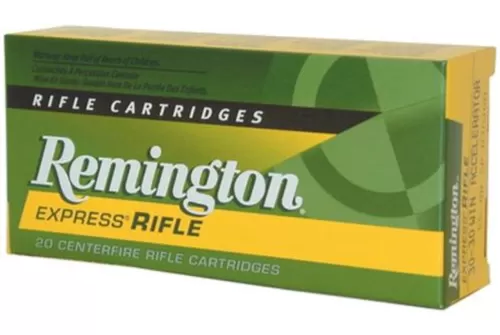
Remington Ammunition R4570l1 High Performance 45-70 Government 300 GR Semi Jacketed Hollow Point (Sjhp) 20 Bx/ 10 CS 047700066707
Brand:
Remington
Bullet Type:
Semi-Jacketed Hollow Point
Caliber:
.45-70 Government
Grains:
300 grain
Rounds:
20
(0)
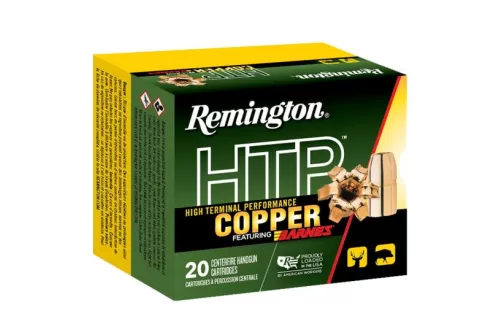
Remington HTP Copper 300 gr Barnes TSX Flat Nose .45-70 Ammo, 20/box - HTP4570G1
Brand:
Remington
Bullet Type:
Barnes Triple Shock X Flat Nose
Caliber:
.45-70 Government
Grains:
300 grain
Rounds:
20
(0)
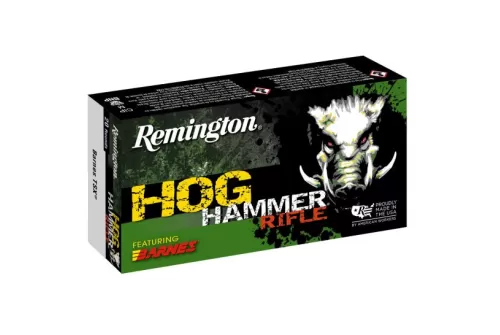
Remington Hog Hammer 300 gr Barnes TSX Flat Nose .45-70 Ammo, 20/box - PHH4570G1
Brand:
Remington
Bullet Type:
Barnes Triple Shock X Flat Nose
Caliber:
.45-70 Government
Grains:
300 grain
Rounds:
20
Frequently Asked Questions
Remington .45-70 Ammo 300 Grain
What is the ballistics of a 300 grain 45-70?
A 300 grain 45-70 load from major manufacturers like Remington, Winchester, and Federal typically delivers muzzle velocities between 1,650 and 1,750 fps from standard 22–24 inch barrels. Exact figures vary by powder charge, bullet construction, and whether the load is standard or +P.
Will a 45-70 take down a grizzly?
Yes, the .45-70 can take down a grizzly. It has a long history as a bear cartridge. Use hard-cast or bonded bullets for deep penetration. Specialty loads from Buffalo Bore, Grizzly Cartridge, or DoubleTap are popular choices. Shot placement remains critical.
How far does a 45-70 drop at 300 yards?
Drop depends on your zero and ammunition. Sighted at 100 yards, expect roughly 48 inches of drop at 300 yards with standard loads. If zeroed at 200 yards, drop runs closer to 30 inches. Heavier bullets and slower powders increase drop; faster loads reduce it slightly.
What is the best distance to zero a 45-70?
Most hunters zero the .45-70 at 100 yards, which keeps bullets within 3–5 inches of point of aim to roughly 150 yards depending on bullet weight. If your longest shots stay under 100 yards, a 50-yard zero works fine. Start at 25 yards to get on paper, then move to your intended distance.
Is a 45-70 more powerful than a 300 win mag?
The .300 Win Mag is more powerful overall, generating 3,500+ ft-lbs of muzzle energy versus the .45-70's 2,000–2,800 ft-lbs. The .300 shoots faster and remains effective past 500 yards. The .45-70 delivers superior close-range impact under 150 yards due to its large, heavy bullets.
What are the drawbacks of using a 45-70?
Significant recoil, especially with modern hot loads. Thin-walled brass limits safe pressures, so factory ammo runs mild compared to modern cartridges. Limited effective range—best under 150 yards. Sticky extraction can occur. The .45-70 excels at close-range power on large game but lacks velocity for distant shots.
Is a 45-70 overkill for deer?
No. The .45-70 is effective for deer, especially under 150 yards. Its large, slow bullets cause less meat damage than fast, fragmenting cartridges. Recoil is manageable with lighter loads. If you own one, it's a perfectly reasonable deer rifle.