
20 Gauge Ammo - 100 Rounds
Updated · 12 products · 6 in stock · prices refreshed daily
(0)
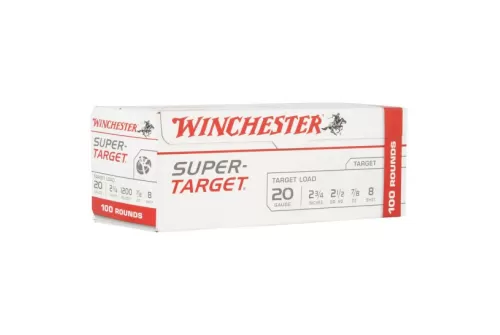
Winchester Super Target 2.75" 7/8 oz 8 Shot 20 Gauge Ammunition 100 Rounds - TRGT208VP
Brand:
Winchester
Caliber:
20 Gauge
Capacity:
100
Finish Per Color:
Lead
Rounds:
100
 From:
$35.68
From:
$35.68
 21
21
(0)
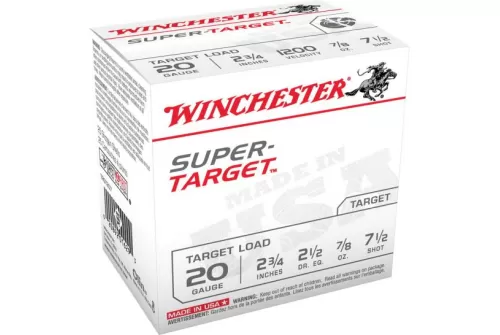
Winchester Super Target 20 GA #7.5-Shot 100-Rounds 2.75"
Brand:
Winchester
Caliber:
20 Gauge
Capacity:
100
Rounds:
100
From:
$37.82
16
(0)
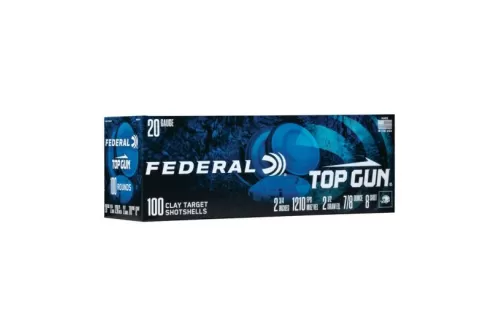
Federal Top Gun 2 3/4" 20 Gauge Ammo #8, 100/Box - TG201008
Brand:
Federal
Bullet Type:
Lead Shot
Caliber:
20 Gauge
Capacity:
100
Rounds:
100
From:
$30.42
15
(0)
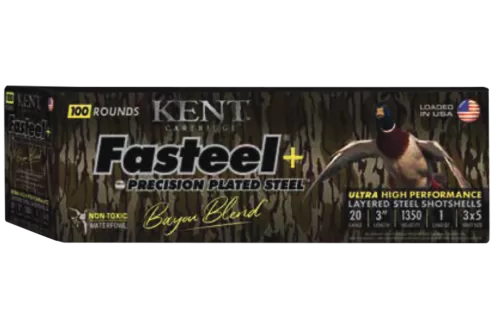
Kent Cartridge Fasteel +, Kent Cc203fsp283x5 Bayou B 20 3 3&5 1 100/2
Brand:
Kent Cartridge
Caliber:
20 Gauge
Rounds:
100
(0)
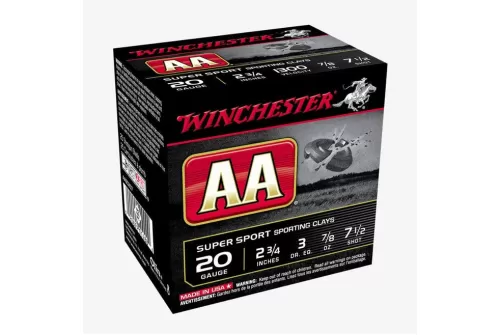
Winchester AA 20 Gauge 7/8 oz 2.75in Centerfire Shotgun Ammo, 100 Rounds, AASC207VP
Brand:
Winchester
Caliber:
20 Gauge
Capacity:
100
Finish Per Color:
Lead
Rounds:
100
From:
$54.99
11
(0)
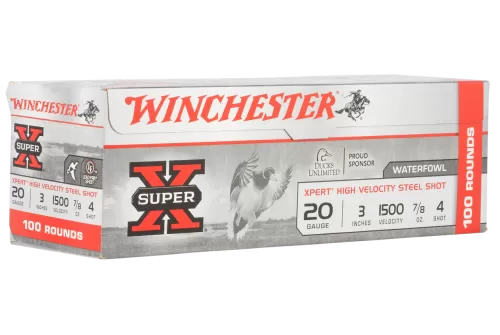
Winchester Super-X 20 Gauge Ammunition 100 RDs 3" Chamber
Brand:
Winchester
Caliber:
20 Gauge
Capacity:
25
Finish Per Color:
Steel
Rounds:
100
(0)
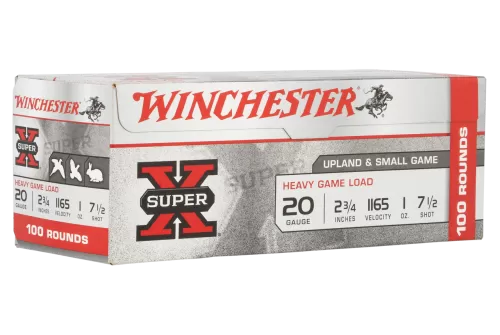
Winchester Super-X 20 GA 2.75" 100-Rounds #7.5
Brand:
Winchester
Caliber:
20 Gauge
Capacity:
100
Rounds:
100
(0)
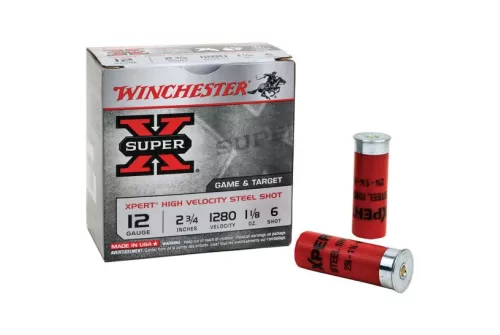
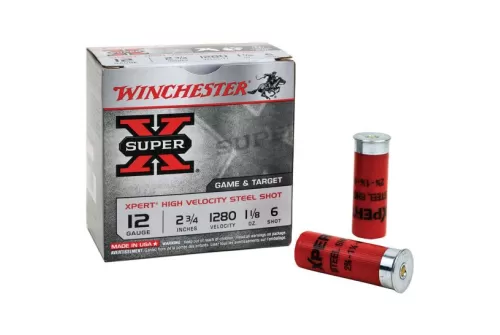
Winchester Ammunition Super-X 2.75" 20 Gauge Ammo 7, 100/box - WE20GTVP7
Brand:
Winchester
Caliber:
20 Gauge
Rounds:
100
(0)
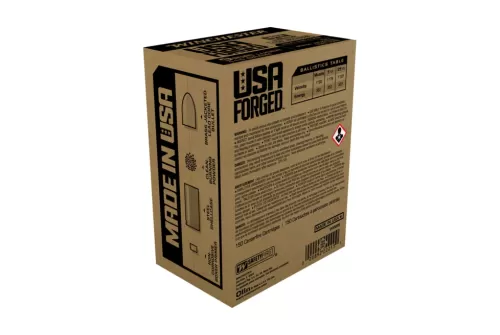
Winchester Ammunition Super-X 2.75" 20 Gauge Ammo 6, 100/box - WE20GTVP6
Brand:
Winchester
Caliber:
20 Gauge
Capacity:
100
Rounds:
100
(0)
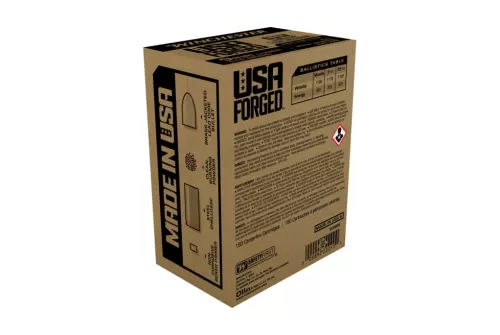
WINCHESTER AMMO 20Ga USA Super Target 2-3/4" 8 100 Rd ShotShells
Brand:
Winchester
Caliber:
20 Gauge
Rounds:
100
(0)
WINCHESTER AMMO 20Ga USA Super Target 2-3/4" 7.5 100 Rd ShotShell
Brand:
Winchester
Caliber:
20 Gauge
Rounds:
100
(0)
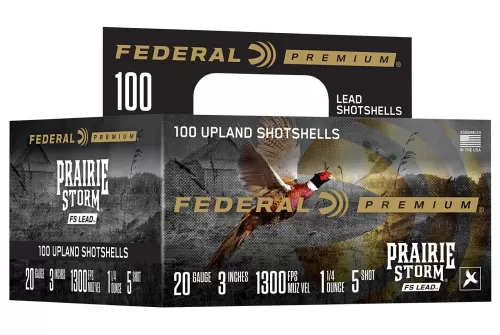
Federal Premium Prairie Storm FS Lead Shotshells 100-Pack - 20 Gauge - #5 - 3
Brand:
Federal
Caliber:
20 Gauge
Rounds:
100
Frequently Asked Questions
20 Gauge Ammo - 100 Rounds
Is 20 gauge rare?
No, 20 gauge shotguns aren't rare. Major manufacturers like Benelli, Beretta, Browning, and Winchester actively produce them. They're widely available across most retailers and are experiencing a resurgence in popularity for waterfowl, deer, and turkey hunting alongside traditional upland use.
Is 20 gauge ammo more expensive?
20 gauge typically costs the same or slightly more per round than 12 gauge, since 12 gauge's higher demand keeps production costs lower. Prices vary by load type and quantity, with bulk purchases offering better value. Specialty loads cost more than standard field loads.
What is the shelf life of 20 gauge shells?
Properly stored 20 gauge shells can remain reliable for 10 years at minimum, often 15 to 25 years or longer. Store them in cool, dry conditions away from moisture. Inspect hulls and primers for corrosion before use. Plastic hulls hold up well but still benefit from proper storage.
What is the best brand of 20 gauge shotguns?
No single brand dominates 20 gauge shotguns. Mossberg, Remington, Winchester, Browning, Benelli, Beretta, Franchi, and Stoeger all earn strong reputations. Options range from budget-friendly to premium. Choice depends on your budget, intended use (waterfowl, upland, deer), and recoil tolerance. Test-fire models before buying.
Why are all 20 gauge shells yellow?
Not all 20 gauge shells are yellow. While yellow is the most common color for 20 gauge shells—adopted as an informal industry standard to help prevent dangerous accidents from accidentally chambering a 20 gauge shell in a 12 gauge gun—manufacturers are not required to follow this convention.